
Introduction:
The Tale of Two Owners
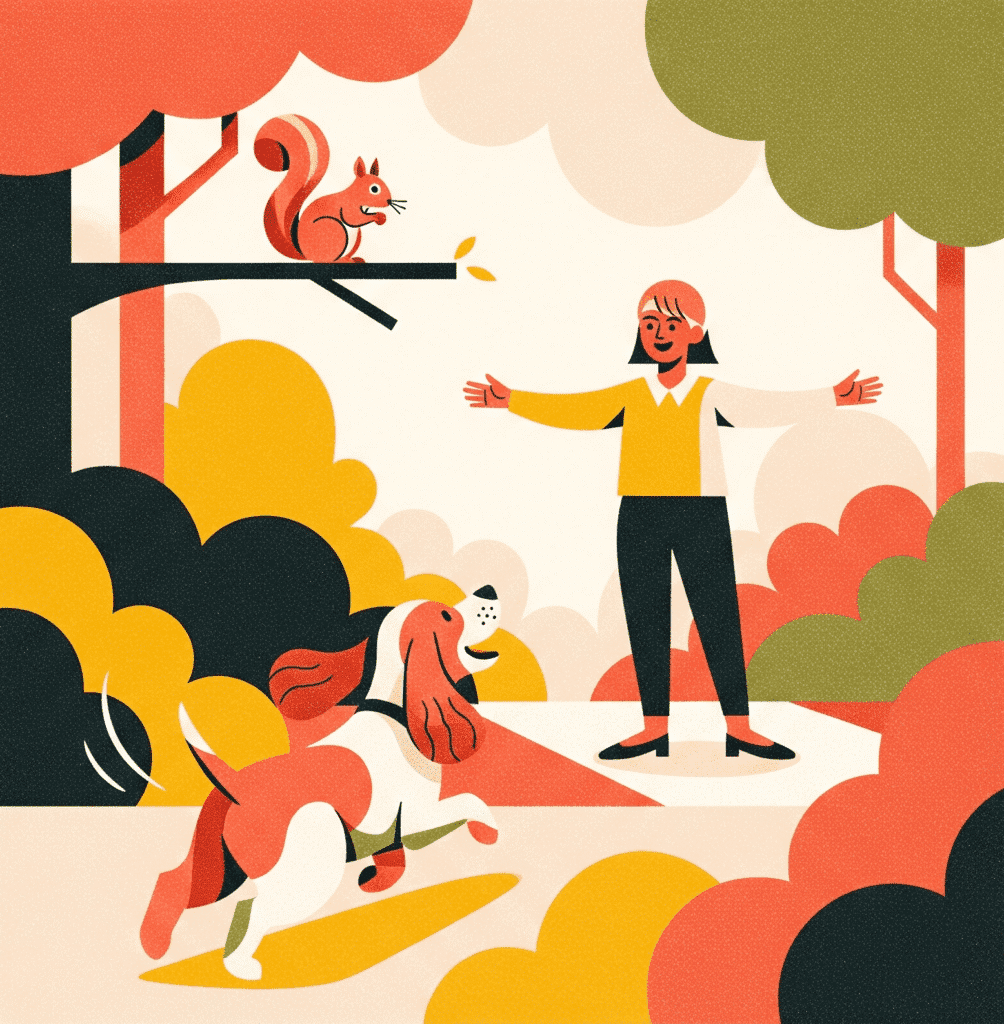
There are two types of owners at the dog park. The first calmly sips their coffee, watching their spaniel play joyfully nearby, knowing that a simple whistle will bring their dog bounding back with enthusiasm. The second is frantically screaming “ROVER, COME!” into the wind as their dog becomes a dot on the horizon, completely ignoring their increasingly desperate pleas.
If you’re the second owner, frantically chasing after your spaniel while other dog owners exchange knowing glances, this guide is for you. More importantly, it’s your roadmap to becoming the first owner – the one whose spaniel chooses to return, not because they have to, but because coming back means the absolute best thing in the world is about to happen.
This is not a collection of quick tips or half-measures. This is a complete system for building a rock-solid, ‘un-chaseable’ recall that works even when your spaniel spots a rabbit, meets an interesting new dog, or discovers the world’s most fascinating puddle. We will cover the psychology of why your spaniel runs off, and then provide a step-by-step plan to build a partnership based on trust and reward rather than fear and frustration.
By the end of this guide, cocker spaniel recall training will transform from your biggest source of anxiety into a reliable tool that gives both you and your spaniel the freedom you both deserve.
Affiliate disclosure: As an Amazon Associate, I earn from qualifying purchases. We also earn a small commission if you purchase through our other links, at no extra cost to you. This helps us keep providing free guides for our beloved spaniel community.
Chapter 1:
Inside the Spaniel Brain – Why They Don’t Come Back
Before we can fix the problem, we need to understand exactly why it exists. Most recall failures aren’t about disobedience – they’re about biology, instinct, and unfortunately, our own well-meaning mistakes.
A Brain Built to Hunt
Your spaniel’s recall challenges aren’t a character flaw – they’re the inevitable result of centuries of careful breeding. Spaniels have an overriding hunting instinct that dates back centuries, and their brains are hardwired to work their nose, hunt, and engage their natural instincts.
When your cocker spaniel hits the ground and disappears into the undergrowth, they’re not being naughty. They’re doing exactly what their DNA tells them to do. Every scent trail is a potential game trail. Every rustling bush could contain treasure. Every new environment is a hunting ground waiting to be explored.
The problem for modern spaniel owners is that the environment – with its infinite supply of fascinating smells, sounds, and moving creatures – is often far more rewarding than anything we can offer. Professional trainers recognize that if we can’t establish that the best things happen around us, recall becomes impossible.
Think about it from your spaniel’s perspective: you’re offering a piece of kibble and asking them to leave behind what might be the most interesting scent trail they’ve encountered all week. It’s not a fair competition – yet.
This is why effective cocker spaniel recall training isn’t about dominance or control. It’s about becoming more interesting, more rewarding, and more valuable than whatever distraction is currently capturing their attention.
“Poisoning the Cue”:
How We Accidentally Teach Them Not to Come
Here’s the uncomfortable truth: most recall problems are created by the owners, not the dogs. Dogs learn to view recall as a sign that fun is over, making them less likely to respond. This often happens when owners regularly repeat cues with increasing volume and urgency.
The Classic Mistakes That Poison Your Recall Cue:
End-of Fun Recalls
Calling your dog to come before taking them home or before doing something unpleasant creates negative associations with the cue. Every single time you call your spaniel back to clip on the lead and leave the park, you’re teaching them that “Come” means “Party’s over.”

Angry Recalls
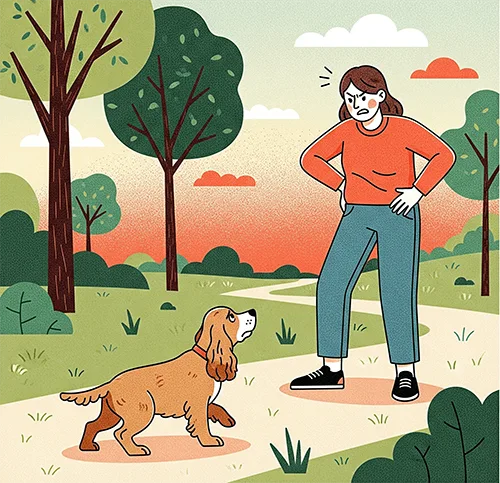
When your spaniel has been ignoring you for ten minutes and finally returns, greeting them with frustration or anger teaches them that coming back results in unpleasant consequences. They learn it’s safer to stay away.
Chasing and Cornering
The moment you start chasing your spaniel, you’ve turned recall into a game – but not the game you wanted to play. You’ve just taught them that running away makes you chase them, which is enormous fun from their perspective.

Emergency-Only Recalls
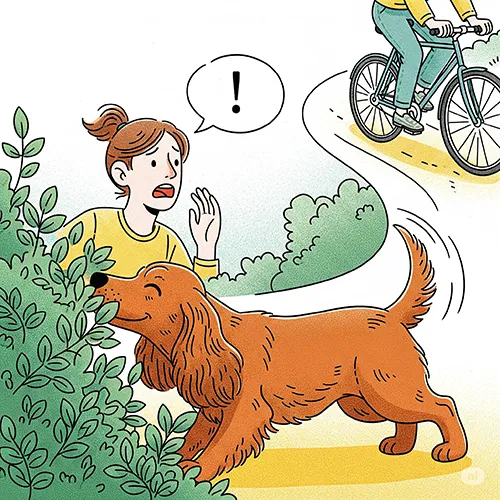
If every time you recall your dog the fun stops, your dog will begin to ignore your recall cue. Dogs who only hear “Come” in emergencies or when they’re in trouble quickly learn that this word means something bad is about to happen.
Repetition Without Reward
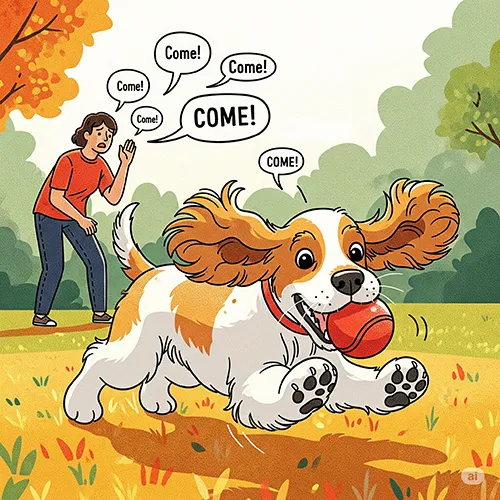
“Come! Come! COME!” teaches your spaniel that the first “Come” doesn’t really mean anything – you’ll ask several more times before you actually expect compliance.
The Golden Rule: Making “Come” the Best Word Ever
Professional trainers recognize that successful cocker spaniel recall training requires making the recall cue signal something incredibly reinforcing. Our core principle is simple: The recall cue must signal that the absolute best thing in the world is about to happen.
This means every single time your spaniel hears their recall command – whether it’s “Come,” a whistle, or their name – their immediate thought should be “Yes! Something amazing is about to happen!” This doesn’t happen by accident. It requires deliberate, systematic training that consistently pairs the recall cue with their highest-value rewards.
The transformation happens when your spaniel starts making the choice to leave whatever they’re doing because they genuinely believe that coming back to you will be more rewarding than staying where they are.
Chapter 2: The Recall Toolkit – Assembling Your Gear
Successful cocker spaniel recall training requires the right equipment. This isn’t about buying expensive gadgets – it’s about having the specific tools that make training both safe and effective.

A Long Line (Non-Negotiable)
Get a 15-metre long training line on Amazon UK →
This is not a leash; it’s your safety net and your most important training tool. A long line allows your spaniel to feel the freedom of being off-lead while keeping them under your control during the learning phase.
Why You Need It:
- Prevents your spaniel from self-rewarding by running off
- Allows you to enforce the recall command without chasing
- Gives you confidence to practice in more challenging environments
- Essential for proofing against distractions safely
Choosing the Right Long Line:
- Length: 15-20 metres for most spaniels
- Material: Biothane or rope – avoid retractable leads
- Weight: Light enough not to impede movement, strong enough for control
- Handle: Comfortable grip for extended training sessions

High-Value “Jackpot” Treats
Get freeze-dried liver training treats on Amazon UK →
Your everyday kibble won’t cut it for recall training. We’re talking about ‘recall-only’ rewards – treats so valuable that your spaniel will abandon anything to get them.
The Jackpot Principle:
- Reserve these treats exclusively for recall training
- Use tiny pieces (size of your little fingernail)
- Always have them available during training sessions
- Never use them for basic obedience – recall only
High-Value Options:
- Freeze-dried liver or heart
- Cooked chicken breast pieces
- Premium training treats (liver, fish, or game-based)
- Cheese cubes (small amounts)
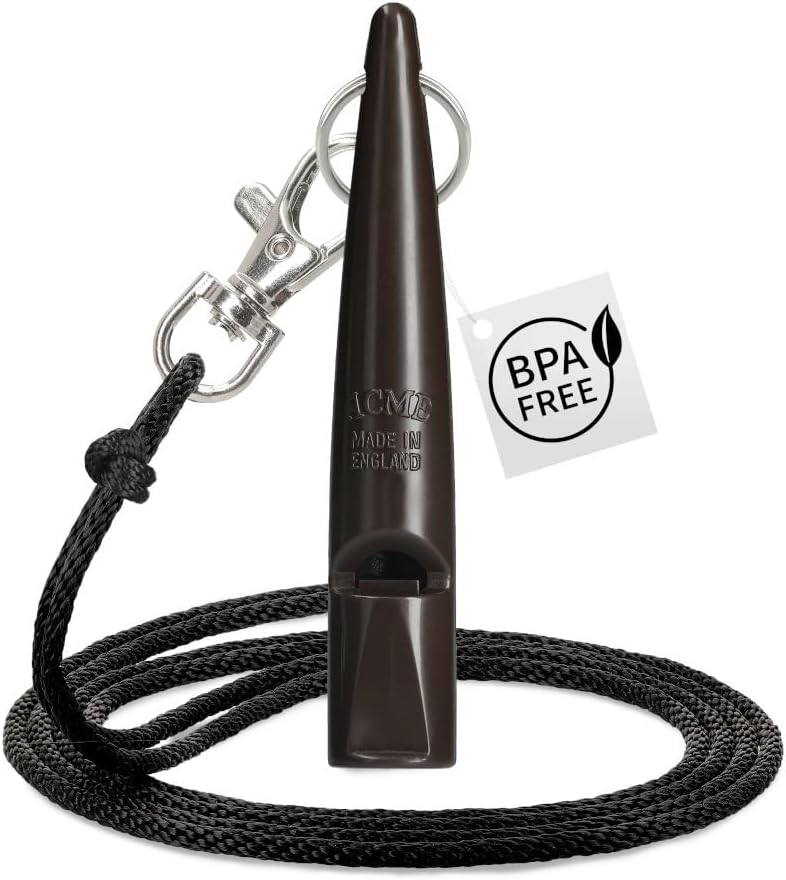
A Recall Whistle (Optional but Recommended)
Get an Acme 211.5 training whistle on Amazon UK →
A whistle provides a consistent, emotionally neutral sound that cuts through distractions and carries further than your voice.
Whistle Advantages:
- Same sound every time (unlike your voice when stressed)
- Carries much further than shouting
- Cuts through environmental noise
- Doesn’t convey your emotional state
- Professional gundog standard
Chapter 3: The 4-Week Cocker Spaniel Recall Training Plan
This progressive system builds reliability step by step, ensuring each stage is thoroughly established before moving to the next level.
Week 1: Building Value (Indoors)
Goal: Make the recall cue mean “jackpot incoming” in zero-distraction environments.
Location: Inside your house only
Equipment: Jackpot treats, whistle (if using)
Session Length: 5-10 minutes, 3-4 times daily
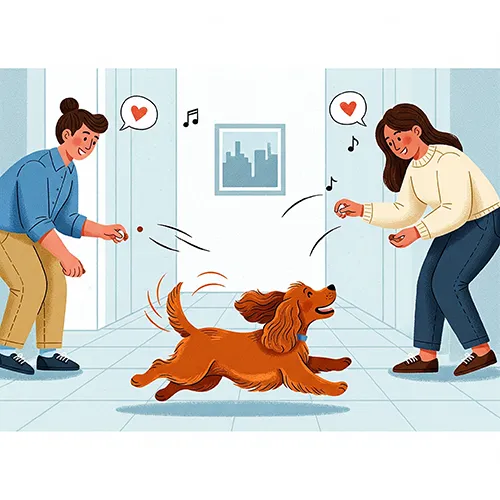
The “Ping-Pong” Recall Game
Two people stand 3-4 metres apart in a hallway or large room. Person A calls the spaniel using a happy, excited voice and your chosen recall word. When the spaniel comes, they get massive praise and a jackpot treat (3-4 pieces), then Person B immediately calls them over for the same reward.
Key Points:
- Only call when you’re 90% certain they’ll come
- Make arriving at each person the best thing ever
- Keep sessions short and end on a high note
- Practice randomly throughout the day
Charging the Whistle (if using):
- Blow whistle → immediately give jackpot treat
- Repeat 10-20 times per day
- Don’t use for actual recalls yet
- Just building the association: whistle = amazing things
Week 2: Adding Distance (The Garden)
Goal: Extend the recall distance and introduce mild outdoor distractions.
Location: Your secure garden/yard
Equipment: Long line, jackpot treats, whistle
Session Length: 10-15 minutes, 2-3 times daily
Progressive Distance Training
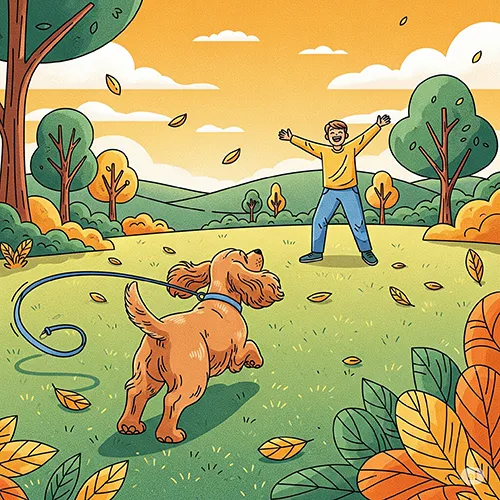
Start with your spaniel on the long line 5 metres away. Call them back, and when they respond, create the biggest celebration of their life. Gradually increase distance as success rate stays above 80%.
Garden Challenges:
- Practice when they’re sniffing (mild distraction)
- Call them away from their favourite spots
- Train at different times of day
- Use the long line to prevent failure
Troubleshooting Week 2:
- If they ignore you: go back to shorter distances
- If they come slowly: increase your enthusiasm and reward value
- If they get distracted: use the long line to help guide them back
Week 3: Introducing Distractions (The Quiet Park)
Goal: Proof the recall against real-world distractions while maintaining safety.
Location: Quiet areas of local parks, fields
Equipment: Long line (essential), ultimate jackpot treats
Session Length: 15-20 minutes, 1-2 times daily
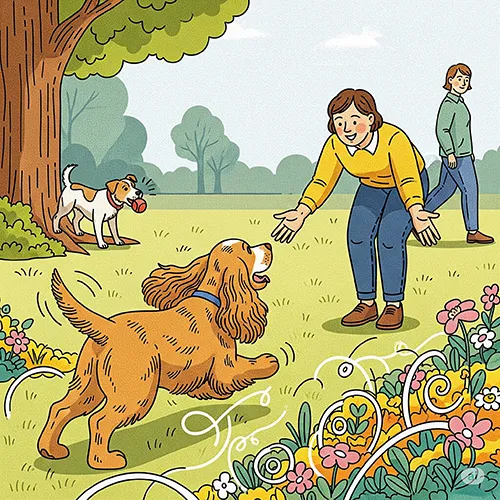
Controlled Distractions:
Practice recall in the presence of:
- People and children
- Other dogs (at distance initially)
- Interesting smells and scents
- Different surfaces and environments
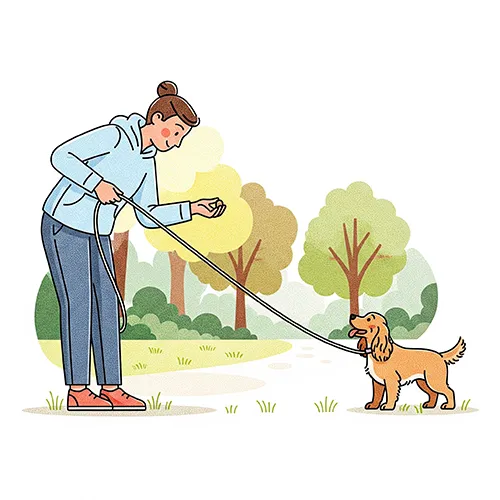
The Long Line Strategy:
- Never let them reach the end with force
- If they don’t respond, use gentle pressure to guide them back
- Always reward when they turn toward you
- Practice “recall → jackpot → release to play again”
Critical Success Factors:
- Only practice when you can win
- Multiple successful recalls per session
- End each session with a guaranteed success
- Build difficulty gradually
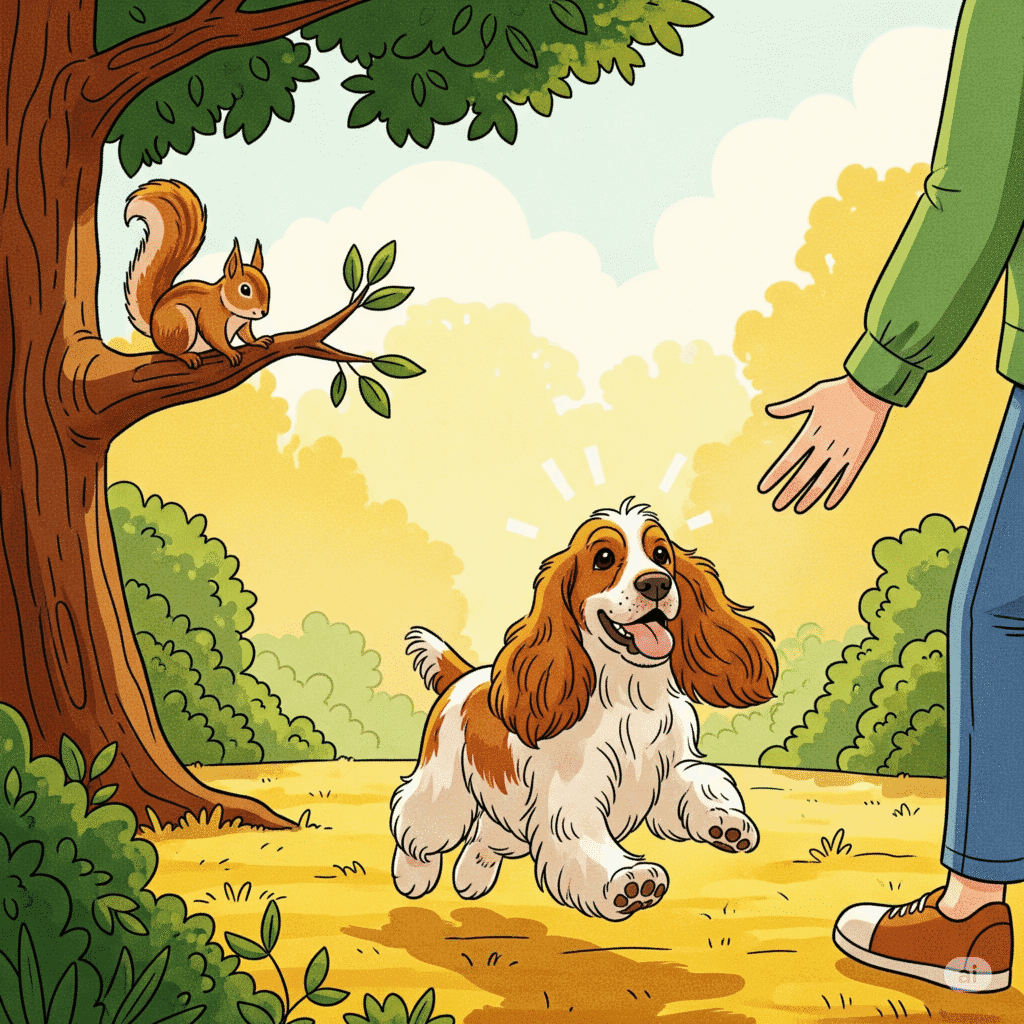
Week 4: Fading the Line (Towards Freedom)
Goal: Begin transitioning to off-lead reliability in controlled environments.
Location: Very secure areas you know well
Equipment: Long line (dragging initially), whistle, jackpot treats
Session Length: 20-30 minutes, 1-2 times daily
The Transition Process:
- Dragging Line Phase: Attach the long line but let it drag
- Short Sessions Off-Lead: 5-10 minutes in perfect conditions
- Gradual Extension: Slowly increase off-lead time
- Immediate Reattachment: At first sign of unreliability
When to Progress to Off-Lead:
- 95%+ success rate on long line
- Immediate response to recall cue
- Choosing to check in naturally during walks
- Reliable in presence of moderate distractions
Setback Management:
- Expect some regression – this is normal
- Return to long line immediately if needed
- Don’t take risks with safety
- Better to train longer than lose progress
Chapter 4: Advanced Techniques and Problem-Solving
The “Premack Principle” in Action
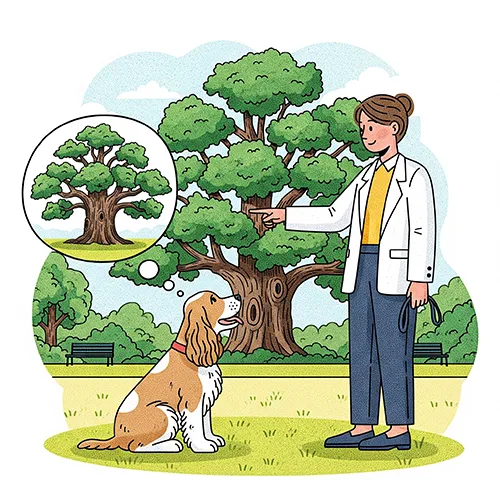
Use your spaniel’s natural desires as rewards for recall. Want to sniff that tree? Come back first. Want to greet that dog? Recall first, then permission to play.
Emergency Recall Protocols
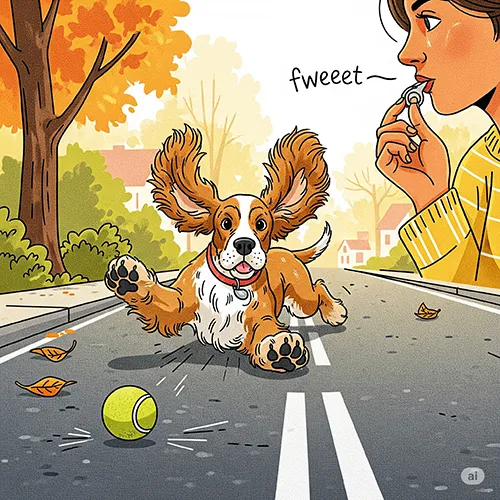
Develop a separate emergency recall (different word/whistle) that means “come immediately, regardless of what you’re doing.” This should be trained separately and reserved for genuine emergencies only.
Maintaining Long-Term Reliability
The 80/20 Rule: 80% of recalls should result in something good happening (treat, play, freedom). Only 20% should result in going home or ending activities.
Random Reward Schedule: Once established, don’t reward every recall. Intermittent reinforcement actually makes the behavior stronger.
Lifetime Learning: Even perfectly trained spaniels need ongoing maintenance training. Short, positive sessions throughout their lives maintain reliability.
Chapter 5: Troubleshooting Common Problems
“My Spaniel Only Comes When I Have Treats”
Solution: Transition to variable rewards using life rewards (permission to sniff, greet other dogs, continue walking) alongside food rewards.
“They Come Close But Won’t Come All the Way”
Solution: This often indicates anxiety about the recall cue being poisoned. Start over with a new recall word and ensure every approach is heavily rewarded.
“Perfect at Home, Hopeless Everywhere Else”
Solution: You’ve moved too fast in your training progression. Return to long-line work in more challenging environments.
“They Run Away When They See the Lead Coming Out“
Solution: Practice recall → reward → release back to freedom multiple times before ever putting the lead on to go home.
Conclusion: Earning Your Freedom
A rock-solid recall isn’t about control; it’s about partnership. It’s the ultimate expression of trust between you and your spaniel. When your dog chooses to leave something fascinating to come back to you, they’re saying “You’re more valuable to me than anything else in this environment.”
By following this systematic approach to cocker spaniel recall training, you’re not just training a command; you’re building an unbreakable bond that gives you both freedom. Your spaniel gets to explore, hunt, and be the working dog they were born to be. You get the confidence to let them do it, knowing they’ll always choose to come back.
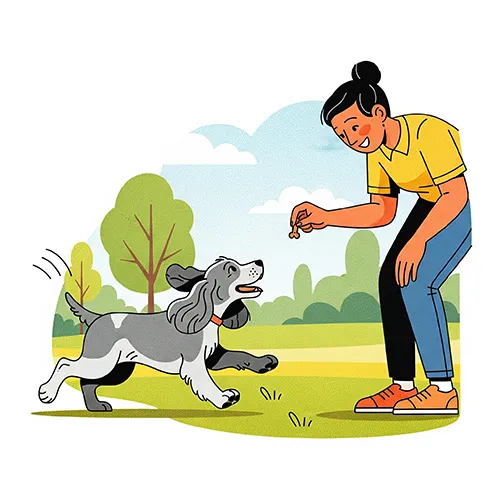
The spaniel charging toward you across a field, ears flying, tail wagging, choosing you over every distraction the world can offer – that’s not just good training. That’s the deepest expression of the partnership between human and dog.
Your journey to becoming that confident owner at the dog park starts with your very next training session. Your spaniel is waiting to learn that coming back to you is the best decision they’ll ever make.
Ready to Start Your Recall Journey?
Essential Gear for Success:
- 15-metre Long Training Line → – Your safety net and most important tool
- High-Value Liver Training Treats → – Recall-only jackpot rewards
- Professional Training Whistle → – Consistent, long-distance communication
Looking for more spaniel training solutions? Discover our guide to working cocker spaniel boredom or explore brain games that build focus or check out 5 Recall Games to Play on Your Daily Walk to support your recall training.
About This Guide: This comprehensive cocker spaniel recall training system is based on modern positive reinforcement techniques and decades of gundog training expertise. Every method has been tested with real spaniels in real-world conditions.
Affiliate disclosure: We earn a small commission if you purchase through our links, at no extra cost to you. This helps us a little to keep working on the website and providing advice, guides and reviews completely free to our beloved spaniel community.


Pingback: Recall Games for Dogs: Master 5 Fun Walking Games That Actually Work